
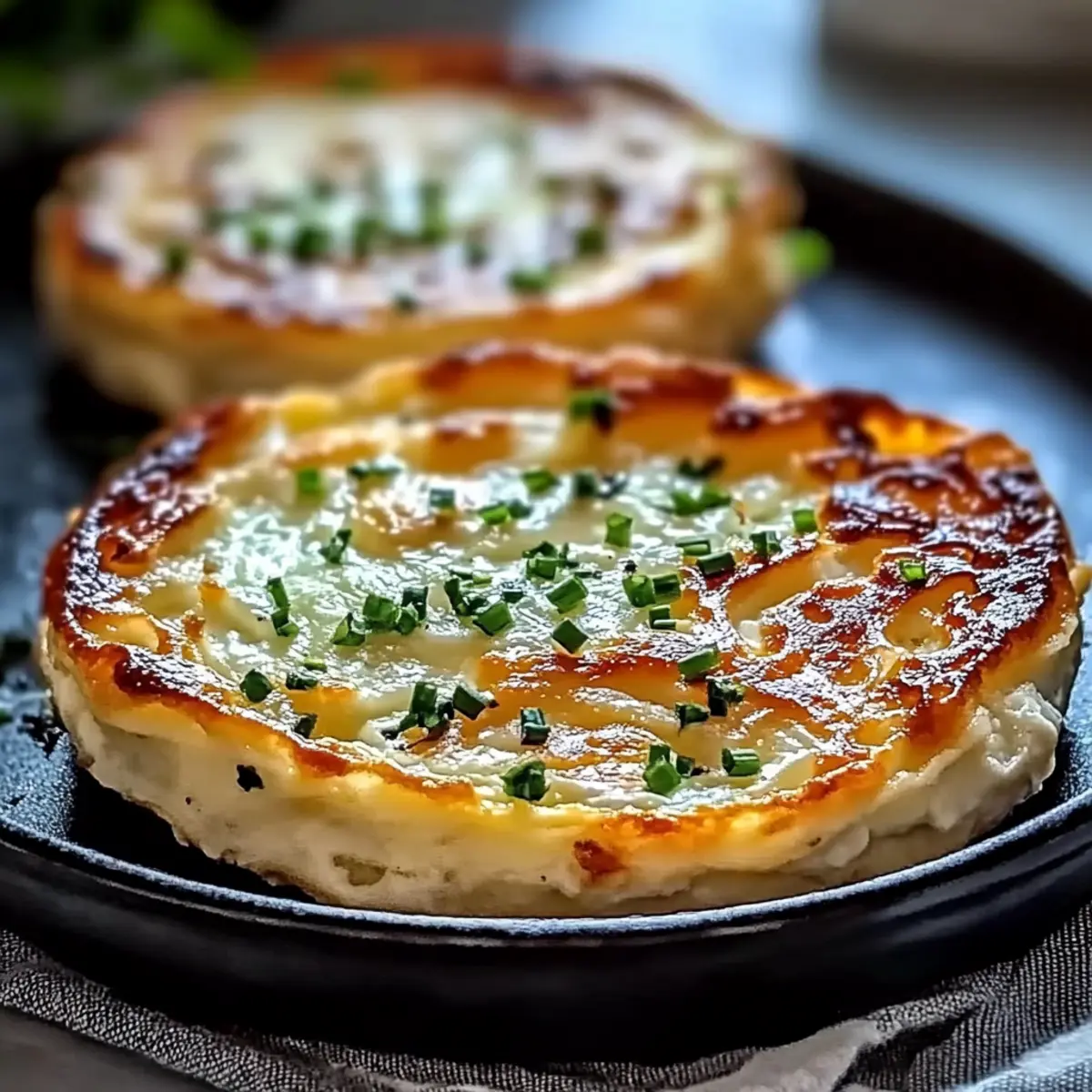
Stepping into the kitchen early in the morning, I can’t help but feel excited about whipping up something delicious and nutritious. Enter Baked Cottage Cheese Eggs: Amazing Protein-Packed Breakfast Bliss—my go-to for a quick, satisfying start to the day! In just 20 minutes, this dish comes together beautifully, boasting an impressive 28 grams of protein per serving. Not only is it customizable to fit your unique taste buds, but it also serves as a guilt-free alternative to fast food, making it perfect for breakfast, lunch, or even dinner. Plus, the creamy texture and vibrant palette make it a visual and flavorful delight. What fun ingredient combinations will you try to make it your own?
How can you elevate your breakfast game?
Versatile and Customizable: You can easily adjust the ingredients to suit your cravings or dietary needs—swap in spinach or add sun-dried tomatoes for a flavor boost! Time-Saving Wonder: With just 20 minutes from prep to plate, you can have a nutritious meal ready in no time. Protein Powerhouse: Each serving is packed with 28 grams of protein, making it an energizing start to your day. Delightfully Creamy: Enjoy a rich, smooth mouthfeel that’s reminiscent of a savory frittata. Guilt-Free Indulgence: This dish is not only gluten-free and keto-friendly but also a delicious alternative to fast food. Perfect for Meal Prep: Make a big batch and enjoy leftovers throughout the week, keeping your mornings hassle-free!
Baked Cottage Cheese Eggs Ingredients
For the Base
• Cottage Cheese – Provides a creamy base and high protein; use lactose-free for dietary restrictions.
• Eggs – Acts as the primary binding agent and protein source; opt for large eggs for best texture.
• Parmesan Cheese – Adds richness and depth of flavor; substitute with nutritional yeast for a dairy-free option.
For the Seasoning
• Fresh Chives – Adds a mild onion flavor; can replace with green onions if preferred.
• Garlic Powder – Enhances seasoning; switch to fresh minced garlic for a stronger taste, adjusting to preference.
• Paprika – Contributes warmth and color; smoked paprika can elevate the flavor further.
• Salt & Pepper – Essential seasonings for flavoring to taste; adjust based on preference.
For Optional Add-Ins
• Bell Peppers – Adds sweetness and color; ensure to drain excess moisture to avoid sogginess.
• Spinach – Enhances nutrition and color; can use fresh or properly thawed frozen.
• Sun-Dried Tomatoes – Imparts tangy richness; drain well to minimize moisture.
Enjoy your delicious Baked Cottage Cheese Eggs and let every bite remind you of a protein-packed breakfast bliss!
Step‑by‑Step Instructions for Baked Cottage Cheese Eggs: Amazing Protein-Packed Breakfast Bliss
Step 1: Preheat the Oven
Begin by preheating your oven to 375°F (190°C) while you prepare the baking dish. Grease a 9-inch pie plate or an 8×8-inch square baking dish with cooking spray or butter. This step ensures your Baked Cottage Cheese Eggs won’t stick, allowing for easy slicing after baking.
Step 2: Blend the Cottage Cheese
In a food processor, add the cottage cheese and blend for about 30 seconds until it achieves a smooth and creamy consistency. This blending is key to integrating the cottage cheese seamlessly into your mixture, yielding a delightful texture in your Baked Cottage Cheese Eggs. Transfer the blended cottage cheese to a large bowl.
Step 3: Whisk the Eggs
In the same large bowl containing the cottage cheese, crack in the eggs. Use a whisk to combine them thoroughly with the cottage cheese, ensuring a uniform texture. This step should take about a minute, and it’s essential for the eggs to be fully incorporated for the perfect protein-packed breakfast bliss.
Step 4: Fold in the Remaining Ingredients
Gently fold in the grated Parmesan cheese, chopped chives, garlic powder, paprika, salt, and pepper into the egg and cottage cheese mixture. Be careful not to over-mix; you want to maintain the lightness of the eggs. This harmonious blend of ingredients will enhance the flavors of your Baked Cottage Cheese Eggs beautifully.
Step 5: Incorporate Optional Add-Ins
If you’d like to include extra flavors, add in any optional ingredients like diced bell peppers, spinach, or sun-dried tomatoes at this stage. Ensure each optional add-in is prepped (e.g., drain excess moisture from vegetables) before mixing. This step adds color and nutrition, making your dish even more delightful.
Step 6: Pour and Spread the Mixture
Carefully pour the combined mixture into your prepared baking dish. Use a spatula to spread it evenly, ensuring the mixture fills the dish to the edges. This even distribution is important for an evenly cooked Baked Cottage Cheese Eggs, resulting in a satisfying and hearty breakfast option.
Step 7: Bake to Perfection
Place the baking dish in the preheated oven and bake for 15 to 17 minutes. Keep an eye on it; the edges should set while the center remains slightly jiggly. This is the ideal doneness for Baked Cottage Cheese Eggs—when baked through, it should reach an internal temperature of 160°F for safety and optimal taste.
Step 8: Cool and Serve
Once baked, remove the dish from the oven and let it cool for about 2-3 minutes. This resting period allows the mixture to set further, making slicing easier. Cut into squares or wedges and serve warm, enjoying the delicious flavors and rewarding protein content of your Baked Cottage Cheese Eggs.

Make Ahead Options
These Baked Cottage Cheese Eggs are fantastic for busy home cooks looking to save time during the week! You can prepare the mixture (without baking) up to 24 hours in advance, storing it covered in the refrigerator. Simply blend the cottage cheese and combine it with the eggs and other ingredients as instructed. To maintain the quality, make sure to drain any vegetables to avoid excess moisture. When it’s time to enjoy, pour the mixture into a greased baking dish and bake as directed. The result will be just as delicious, with minimal effort required, making breakfast a breeze!
Storage Tips for Baked Cottage Cheese Eggs
- Fridge: Store leftovers in an airtight container for up to 3 days. Reheat gently in the microwave or oven to maintain the creamy texture and flavor.
- Freezer: For long-term storage, freeze individual portions of Baked Cottage Cheese Eggs in airtight containers for up to 2 months. Thaw overnight in the fridge before reheating.
- Uncooked Mixture: You can keep the uncooked mixture in the fridge for up to 24 hours before baking. Cover tightly to prevent odor absorption.
- Reheating: When reheating, do so at a low temperature to avoid overcooking. A few minutes in the oven should keep it light and fluffy.
Baked Cottage Cheese Eggs: Creative Twists Await
Get ready to unleash your culinary creativity with this delightful recipe, inviting endless flavor and texture possibilities!
- Vegetable Medley: Toss in your favorite veggies like zucchini or kale for an added nutrient boost and vibrant color. Fresh greens not only pack in additional vitamins but also introduce a lovely freshness to each bite.
- Cheese Lovers Delight: Swap Parmesan for feta or cheddar to create a uniquely rich flavor profile that’s sure to please any palate. Each cheese offers distinct taste characteristics, enhancing your Baked Cottage Cheese Eggs in deliciously different ways.
- Herb Garden: Sprinkle in fresh herbs such as basil or parsley to elevate the flavor and freshness. Fresh herbs can transform your dish into something reminiscent of Italian countryside cooking—each herb brings forth its own delightful essence.
- Spice It Up: Introduce spices like cumin or turmeric for a warm, exotic twist. This simple addition can take your breakfast from traditional to adventurous in just one sprinkle, giving your morning a lively kick!
- Dairy-Free: Use vegan cheese or nutritional yeast instead of dairy cheese to make this recipe suitable for a completely dairy-free diet. Not only does it keep the creamy texture, but it also opens up new flavor horizons.
- Smoky Goodness: Opt for smoked paprika instead of regular paprika for an extra layer of flavor that’ll leave your taste buds dancing. It’s an effortless way to bring depth to the dish and intrigue to every bite.
- Add Heat: If you love a bit of spice, try adding sliced jalapeños or a dash of cayenne pepper. The gentle heat will contrast beautifully with the creamy eggs, creating a perfect balance of flavors.
- Protein Boost: Mix in cooked bacon or sausage pieces to amplify the protein content and add savory flavor. This heartier version can turn your breakfast into a delightful feast that satiates even the hungriest of appetites.
Feel inspired? Substitute or add away! As you experiment with these variations, consider serving your Baked Cottage Cheese Eggs along with fresh avocado slices or a mixed green salad for the perfect well-rounded meal. Whether quick breakfast bites or a nutritious lunch, the delightful combinations and options are endless!
What to Serve with Baked Cottage Cheese Eggs
Add some excitement to your breakfast table with these delicious side options that perfectly complement your creamy creation.
-
Fresh Avocado Slices:
Creamy avocado enhances the dish’s richness while adding healthy fats and a pop of color. It provides a lovely contrast to the fluffy texture of the eggs. -
Whole Grain Toast:
Crunchy, whole grain toast offers a satisfying texture alongside the eggs, making for a wholesome breakfast. Top it with a layer of almond butter for a sweet touch! -
Mixed Green Salad:
A light, refreshing salad with baby greens, cherry tomatoes, and a zingy vinaigrette balances the richness of the eggs. It’s a fresh, vibrant way to brighten your plate and your morning. -
Sautéed Spinach:
Lightly sautéed spinach makes a nutritious addition, offering earthy flavors and an extra dose of vitamins. This pairs beautifully, and you can sprinkle some lemon juice for a refreshing zing. -
Fruit Salad:
Sweet, juicy fruits like berries or melons bring natural sweetness to your meal, balancing the savory flavors of the Baked Cottage Cheese Eggs. Plus, they’re bursting with hydration and nutrients! -
Herbed Yogurt Dip:
A creamy yogurt dip seasoned with herbs creates a delightful contrast. It’ll add an extra creamy layer to your experience while satisfying your taste buds with fresh, zesty flavors. -
Chai or Herbal Tea:
Complement your meal with a steaming cup of chai or your favorite herbal tea. The warmth and aromatic spices will elevate your breakfast experience and make it all the more comforting.
Expert Tips for Baked Cottage Cheese Eggs
• Blend Well: Blend cottage cheese thoroughly for a smooth texture. Lumps can create an unpleasant mouthfeel, so make it creamy!
• Watch Baking Time: Keep an eye on your dish while it bakes. Overbaking can lead to rubbery eggs; seek that delicate jiggle in the center.
• Drain Add-Ins: Squeeze excess moisture from vegetables like bell peppers and spinach to prevent a soggy mixture in your Baked Cottage Cheese Eggs.
• Customize Flavors: Feel free to experiment with different cheeses or herbs. More spices can also enhance your dish according to your taste.
• Meal Prep Friendly: Prepare the mixture a day in advance and store it in the fridge. It can save time, making breakfast a breeze!

Baked Cottage Cheese Eggs Recipe FAQs
What should I look for when selecting cottage cheese?
Absolutely! When choosing cottage cheese, look for containers that have a smooth and creamy texture without any lumps. I recommend opting for low-fat or full-fat versions based on your dietary needs. If you have lactose intolerance, you can easily find lactose-free varieties available in most grocery stores.
How should I store leftover Baked Cottage Cheese Eggs?
It’s very simple! Store any leftovers in an airtight container in the refrigerator for up to 3 days. When you’re ready to enjoy them again, gently reheat in the microwave or the oven at a low temperature to keep them nice and fluffy!
Can I freeze Baked Cottage Cheese Eggs?
Yes, indeed! For long-term storage, you can freeze individual portions of your Baked Cottage Cheese Eggs in airtight containers or freezer bags for up to 2 months. To reheat, simply thaw overnight in the refrigerator. Once thawed, warm them in the oven or microwave, taking care to add a little moisture if needed to prevent drying out.
What if my Baked Cottage Cheese Eggs turn rubbery?
Ah, the classic kitchen dilemma! If your Baked Cottage Cheese Eggs come out rubbery, it’s often due to overbaking. Keep an eye on your oven and target an internal temperature of about 160°F. The edges should be set, but the center should still jiggle slightly for that perfect texture. If using add-ins, make sure they are well-drained, as excess moisture can also affect the final outcome.
Are Baked Cottage Cheese Eggs suitable for those with dietary restrictions?
Absolutely! This recipe is very customizable and can fit various dietary needs. For a gluten-free option, ensure that any additional ingredients like spices are certified gluten-free. If you have dairy allergies, you can substitute the cottage cheese with alternatives like tofu or nutritional yeast for a similar texture and flavor. Just adjust spices and ingredients according to your dietary requirements!
How long can I keep the uncooked mixture in the fridge?
Great question! You can keep the uncooked mixture in the fridge for up to 24 hours before baking. Just cover it tightly to prevent any odors from other foods in the fridge affecting the flavor. This makes it super convenient for meal prep—just mix it up the night before, and you’re ready to bake in the morning!

Baked Cottage Cheese Eggs: A Protein-Packed Breakfast Joy
Ingredients
Equipment
Method
- Preheat your oven to 375°F (190°C) and grease a 9-inch pie plate or an 8x8-inch square baking dish.
- Blend the cottage cheese in a food processor for about 30 seconds until smooth and creamy. Transfer to a large bowl.
- Whisk the eggs into the bowl with the cottage cheese until thoroughly combined.
- Fold in the grated Parmesan cheese, chopped chives, garlic powder, paprika, salt, and pepper.
- Add in any optional ingredients like diced bell peppers, spinach, or sun-dried tomatoes.
- Carefully pour the mixture into your prepared baking dish and spread it evenly.
- Bake for 15 to 17 minutes until the edges are set and the center remains slightly jiggly.
- Let cool for 2-3 minutes, then slice and serve warm.
Leave a Reply