
As I stirred the sizzling onions in a pan, a wave of nostalgia washed over me—comfort food at its finest. But this wasn’t just any meatloaf; I was crafting a Korean Meatloaf with Gochujang Glaze, a delightful fusion of flavors that brings excitement to the dinner table. Ground pork meets the savory heat of gochujang, resulting in a dish that’s as satisfying as it is easy to whip up. With its unique twist, this recipe stands out as a fantastic crowd-pleaser and a healthy upgrade to a classic favorite, perfect for busy weeknights or gatherings. Are you ready to elevate your meatloaf game? Let’s dive into this delicious adventure!
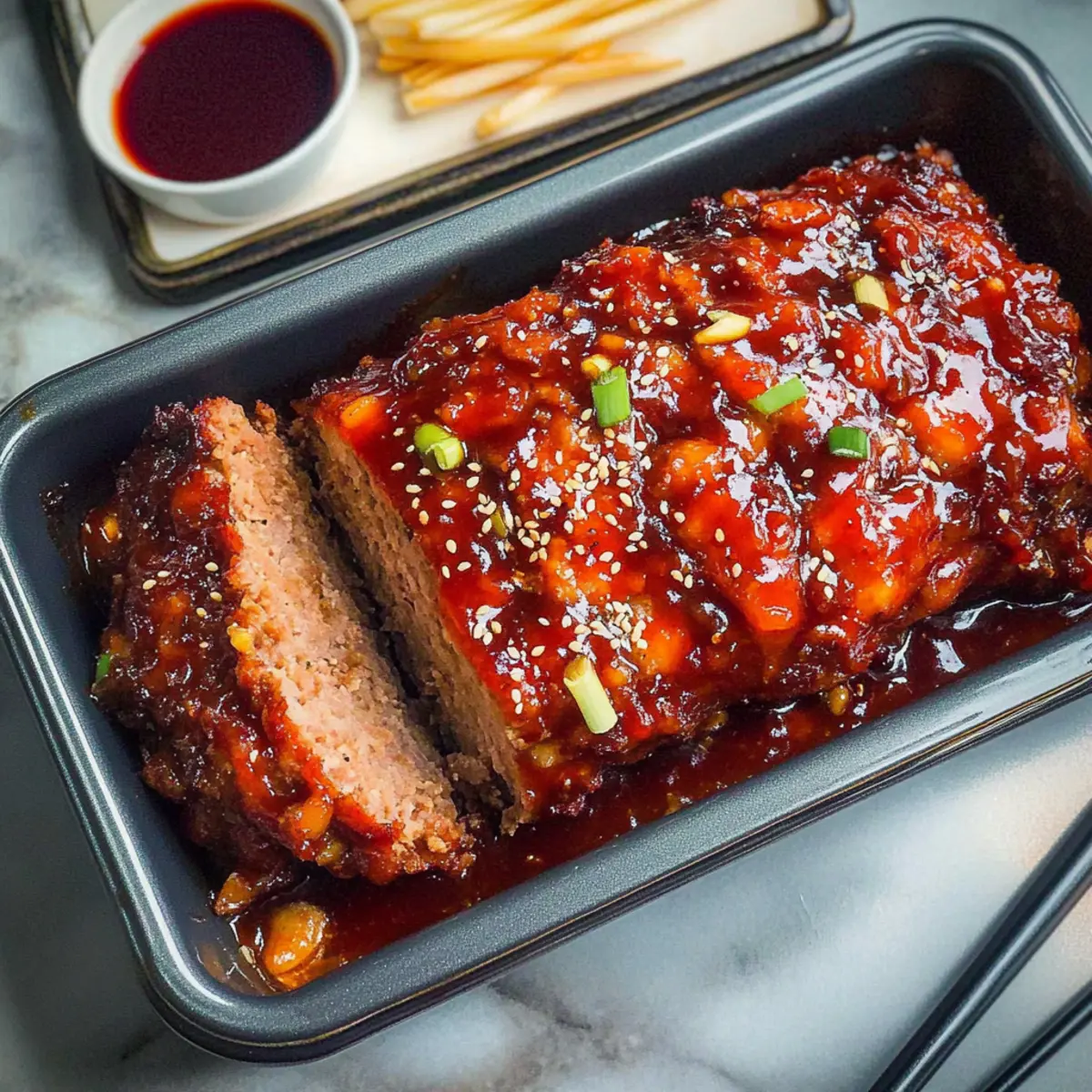
Why is this Korean Meatloaf Special?
Unique Flavors: Combining traditional meatloaf with gochujang offers a spicy and umami-boosted twist.
Easy to Make: This recipe is straightforward, making it a perfect choice for busy weeknights while still impressing guests.
Crowd-Pleasing: The rich, juicy texture and sweet-spicy glaze appeal to all palates—perfect for family dinners or friendly gatherings.
Versatile Options: Feel free to swap ground pork for turkey or beef, or mix in some veggies for added nutrition.
Make-Ahead Friendly: Prep the mixture in advance and bake just before serving, making it an ideal option for stress-free hosting.
With its satisfying flavors and impressive presentation, this Korean Meatloaf with Gochujang Glaze is destined to become a staple in your dinner rotation!
Korean Meatloaf with Gochujang Glaze Ingredients
• Get ready to spice things up!
For the Meatloaf
- Ground Pork – The primary protein; it keeps the meatloaf juicy and flavorful—consider using ground turkey for a leaner twist.
- Panko Bread Crumbs – Adds lightness and structure; if panko is hard to find, regular breadcrumbs will do just fine.
- Onion – A sweet and aromatic base; finely dice for an even distribution of flavor—opt for yellow or white onion for the best results.
- Garlic – A flavor enhancer; use crushed fresh garlic for a bold taste.
- Gochujang – The star ingredient that infuses heat and depth into your meatloaf; this spicy chili paste is essential for a true Korean experience!
- Green Onions – Freshness and crunch! They add a mild onion flavor—chives can be a substitute if needed.
- Kosher Salt – Amplifies all the flavors; avoid table salt as its grain size can affect the seasoning.
- Eggs – Binds everything together for a cohesive texture; large eggs are recommended for consistency.
- Vegetable Oil – Used for sautéing onions and preventing stickiness; any neutral oil will work here.
- Sesame Seeds – An optional garnish that adds a delightful texture and a hint of nutty flavor.
For the Gochujang Glaze
- Apricot Jam – Contributes sweetness and helps create a sticky glaze; feel free to use peach or mango jam if preferred.
- Gochujang – Essential for the glaze as well; this flavorful chili paste ensures a kick!
- Rice Wine Vinegar – Adds the right amount of acidity to balance the sweetness; apple cider vinegar can be used as a substitute.
- Honey – Introduces additional sweetness, encouraging a wonderful caramelization on the meatloaf; maple syrup can also provide a unique flavor.
- Soy Sauce – Adds depth of flavor; low-sodium soy sauce is a great option if you’re watching your salt intake.
- Sesame Oil – Imparts a delightful nuttiness; can be omitted if you want a lighter taste.
- Granulated Garlic Powder – Boosts garlic flavor; you could also use fresh minced garlic for an extra punch.
Now, gather these ingredients, and let’s create a feast that will put the tired old meatloaf to shame with this delicious Korean Meatloaf with Gochujang Glaze!
Step‑by‑Step Instructions for Korean Meatloaf with Gochujang Glaze
Step 1: Preheat Your Oven
Begin by preheating your oven to 350°F (175°C). This ensures that your Korean meatloaf will cook evenly and develop a beautiful caramelized exterior. While the oven is heating, gather your ingredients to streamline your cooking process, keeping everything within arm’s reach to create a delightful atmosphere.
Step 2: Sauté the Onions
In a medium skillet, heat a tablespoon of vegetable oil over medium heat. Add your finely diced onions and sauté them for about 10 minutes, or until they become translucent and slightly golden. This step intensifies their natural sweetness and will enhance the flavors of your Korean meatloaf. Once done, set the skillet aside to cool slightly.
Step 3: Add Garlic and Chill
Once the onion mixture has cooled for a few minutes, stir in the crushed garlic and continue cooking for another 2 minutes until fragrant. Then, transfer this delicious mixture to your refrigerator to cool completely while you prep the other ingredients. Cooling it will prevent the eggs from cooking when mixed in later.
Step 4: Mix the Meatloaf Base
In a large bowl, combine the cooled onion-garlic mixture with minced green onions, gochujang, beaten eggs, and kosher salt. Stir until everything is well incorporated, ensuring that the gochujang is evenly distributed for a flavorful kick. This vibrant blend is the core of your Korean meatloaf with gochujang glaze.
Step 5: Combine Meat and Binders
In another large bowl, combine the ground pork and panko bread crumbs. Using your hands or a spoon, gently mix until just combined. Now, fold in your onion mixture until all ingredients are just mixed together. Be careful not to overwork it, as this will keep your meatloaf tender and juicy.
Step 6: Shape the Meatloaf
Transfer the meat mixture into a greased loaf pan or shape it freeform on a baking sheet lined with parchment paper. Ensure the loaf is evenly shaped to promote uniform cooking. This step is essential for achieving the ultimate texture and flavor in your Korean meatloaf.
Step 7: Bake the Meatloaf
Place the meatloaf in the preheated oven and bake for approximately 40 minutes or until the internal temperature reaches 140°F (60°C). Keep an eye on it at around 30 minutes for visual cues. The exterior should start to brown nicely, inviting a delightful aroma into your kitchen.
Step 8: Prepare the Gochujang Glaze
While the meatloaf bakes, prepare the sweet and spicy gochujang glaze by mixing apricot jam, gochujang, rice wine vinegar, honey, soy sauce, and sesame oil in a bowl. Whisk until thoroughly combined and glossy. The glaze will enhance the final touch of your Korean meatloaf, giving it a fantastic sticky coating.
Step 9: Glaze the Meatloaf
Once the meatloaf has reached 140°F, carefully remove it from the oven and spoon the prepared glaze evenly across the top, ensuring it is well coated. Return the meatloaf to the oven, raising the temperature slightly if desired. Bake for an additional 10-15 minutes, or until the internal temperature reads 160°F (71°C), ensuring perfect doneness without drying it out.
Step 10: Rest and Serve
After baking, let the Korean meatloaf rest for 10 minutes. This resting period allows the juices to redistribute, ensuring a moist and flavorful slice. When ready to serve, slice and plate it up, optionally garnished with sesame seeds, alongside mustard pickled onions for a refreshing contrast. Enjoy your delightful masterpiece!
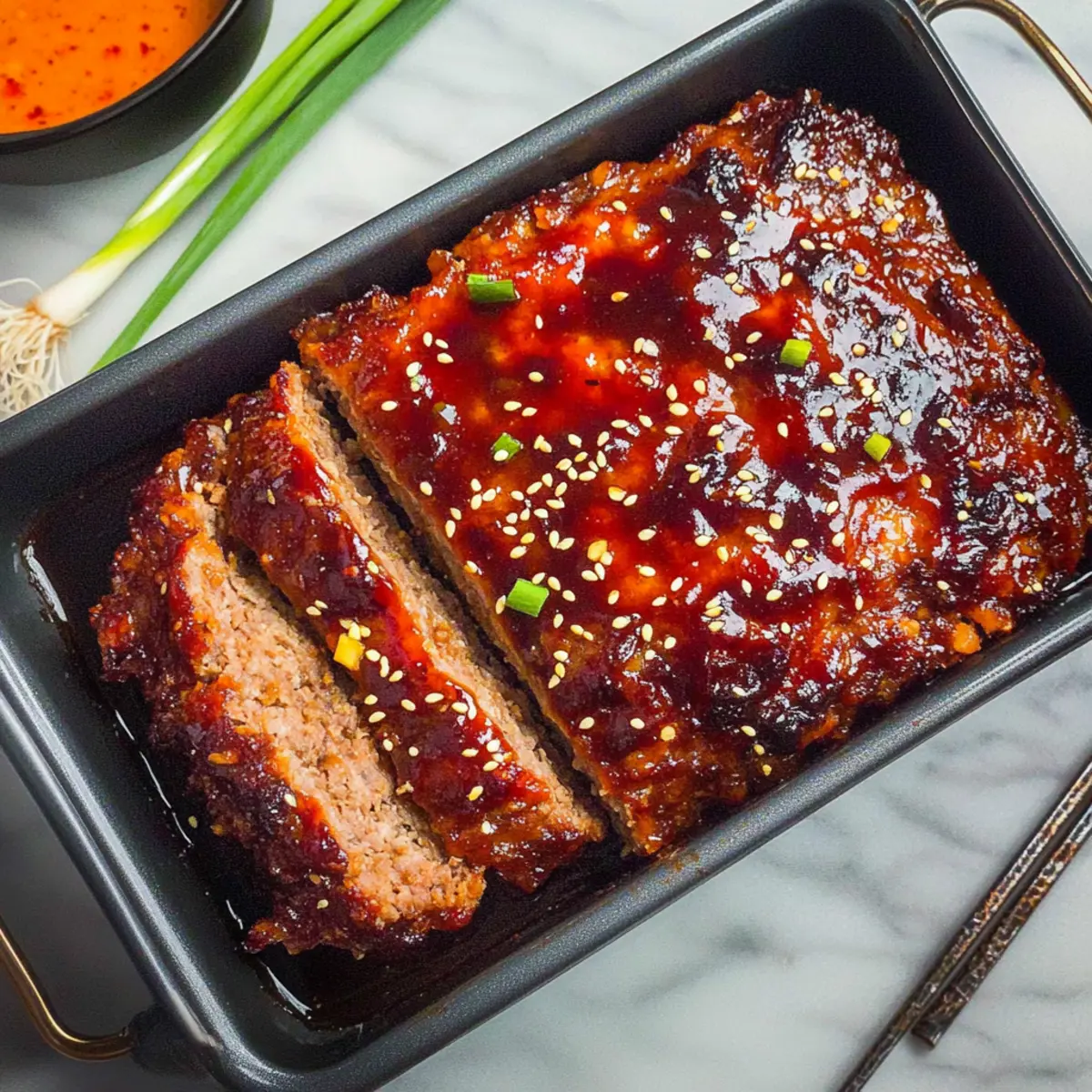
What to Serve with Korean Meatloaf with Gochujang Glaze
A warm plate of Korean meatloaf promises an explosion of flavor, but what delightful companions will elevate your meal?
- Steamed Rice: The perfect base to soak up the rich flavors of the meatloaf and glaze, creating a comforting combination.
- Sautéed Greens: Bright, fresh greens such as bok choy or spinach add a lovely crunch and balance to the savory richness of the dish.
- Creamy Mashed Potatoes: Their velvety texture complements the meatloaf’s juicy bite, creating a satisfying contrast on your plate. A drizzle of gravy makes this pairing irresistible!
- Pickled Vegetables: A tangy crunch from pickled daikon or cucumbers provides a refreshing palate cleanser, enhancing the overall dining experience.
- Coleslaw: This crunchy, zesty side adds a lightness to the meal, while the creaminess counterbalances the spice of the meatloaf beautifully.
- Mustard Pickled Onions: Bright, tangy toppings enhance the flavors and provide an exciting contrast to the sweetness of the gochujang glaze, making each bite unforgettable.
- Cold Beer or Soju: A chilled drink helps to cut through the flavors, making it the ultimate pairing for a fun evening.
- Chocolate Mousse: To finish off the meal, a rich and creamy dessert provides a sweet note, offsetting the spiciness of the main dish while satisfying your sweet tooth.
Korean Meatloaf with Gochujang Glaze Variations
Feel free to unleash your creativity in the kitchen with these exciting twists on the recipe!
-
Ground Beef Swap: Substitute ground pork with ground beef for a heartier flavor that adds a different depth to your meatloaf.
-
Turkey Delight: Choose ground turkey instead of pork for a leaner meatloaf option without sacrificing taste. It’s a wonderful way to lighten the dish!
-
Veggie Boost: Toss in finely chopped bell peppers, carrots, or zucchini to the meat mixture for a colorful and nutritious upgrade. This addition not only enhances flavor but also enriches the texture.
-
Fiery Kick: For those who love heat, add some chopped jalapeños or a pinch of crushed red pepper flakes to the mixture. This will elevate your meatloaf to a new level of spicy deliciousness!
-
Jams Galore: Experiment with different types of jams for the glaze; think raspberry or black cherry for a sweet-tart contrast that’ll surprise your guests.
-
Vegan Twist: To make a vegetarian version, replace the meat with lentils and use flax eggs as a binder. This plant-based twist retains the essence of the dish while catering to those with dietary preferences.
-
Herb Infusion: Mixing in fresh herbs like cilantro or basil into the meat mixture can brighten the flavors significantly, creating a fresh and uplifting taste experience.
-
Sweet & Spicy Mango: Replace apricot jam with mango chutney in the glaze for a unique fruity touch that pairs beautifully with the gochujang.
These variations not only allow you to personalize your Korean Meatloaf with Gochujang Glaze but also introduce new flavors that can excite the whole family. For additional culinary adventures, you might also enjoy my delicious Korean Glass Noodle or try pairing it with a delightful Beef Cucumber Salad for a refreshing side!
Make Ahead Options
These Korean Meatloaf with Gochujang Glaze are perfect for meal prep enthusiasts! You can prepare the meatloaf mixture and the glaze up to 24 hours in advance—simply store them separately in airtight containers in the refrigerator. To maintain quality and flavor, refrigerate the meat mixture as soon as it’s combined and keep the glaze sealed until you’re ready to bake. When you’re ready to serve, preheat your oven, shape the meatloaf, and bake it directly from the fridge for minimal effort. Adding the glaze during the last stages of baking ensures a fresh, sticky finish that makes this dish just as delicious as if you had made it all in one go!
Tips for the Best Korean Meatloaf
-
Proper Mixing: Avoid over-mixing the meatloaf mixture; a gentle fold keeps your meatloaf moist and tender, enhancing the flavors of the Korean meatloaf with gochujang glaze.
-
Use Fresh Ingredients: Fresh garlic and onions make a significant difference in flavor, elevating your meatloaf from good to great.
-
Check Doneness: Always use an instant-read thermometer to check for an internal temperature of 160°F to ensure that your Korean meatloaf is perfectly cooked, not dry.
-
Resting Period: Allow the meatloaf to rest for at least 10 minutes after baking. This lets the juices redistribute throughout, keeping every slice juicy and delicious.
-
Glaze Generously: Apply the glaze evenly over the meatloaf for a delightful sticky finish. It not only adds flavor but also creates an appetizing appearance.
Storage Tips for Korean Meatloaf with Gochujang Glaze
Fridge: Store leftovers in an airtight container for up to 3 days. Allow the meatloaf to cool before sealing to ensure it maintains its texture.
Freezer: For longer storage, wrap the Korean meatloaf tightly in plastic wrap or aluminum foil, then place it in a freezer-safe container. It keeps well for up to 1 month.
Reheating: To reheat, place the meatloaf in the oven at 350°F (175°C) until warmed through, about 20 minutes, or microwave individual slices for quick servings.
Thawing: When ready to enjoy, thaw the frozen meatloaf overnight in the fridge and reheat as desired for delicious, flavorful results!
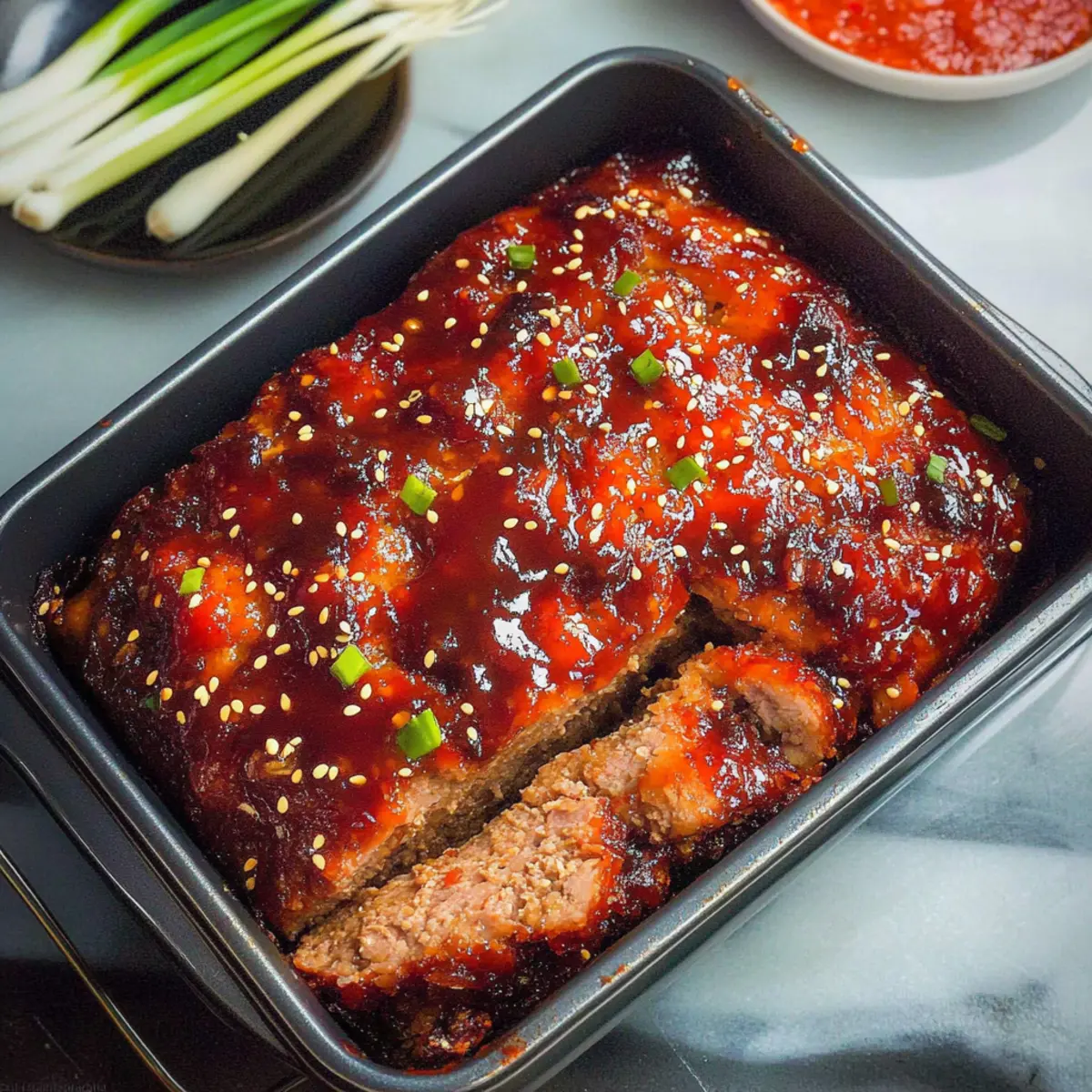
Korean Meatloaf with Gochujang Glaze Recipe FAQs
How do I choose ripe ingredients for this recipe?
Absolutely! When selecting your ingredients, make sure to choose fresh, firm ground pork that shows no discoloration. For onions, look for those that are golden with no dark spots or soft areas, as they indicate spoilage. Fresh garlic should be plump and free of any sprouts. Gochujang should be vibrant red with no signs of drying out; check Asian stores for the freshest options!
What are the best storage methods for leftovers?
Very! Store your Korean meatloaf in an airtight container in the refrigerator for up to 3 days. If you want to keep it longer, wrap it tightly in plastic wrap and foil, then place it in a freezer bag. Properly stored, it will maintain flavor and moisture for up to 1 month.
Can I freeze Korean meatloaf with gochujang glaze?
Absolutely! To freeze, let the meatloaf cool completely. Wrap it tightly in plastic wrap and then again in aluminum foil to prevent freezer burn. Alternatively, you can slice the meatloaf and freeze individual portions for easy meals. When you’re ready to enjoy, thaw it overnight in the refrigerator, then reheat in the oven or microwave.
What if my meatloaf comes out dry?
No worries, it happens! If your meatloaf turns out dry, here are a few tips for next time: Ensure you’re not overcooking it; use an instant-read thermometer to check for doneness (160°F is ideal). Also, mixing the ingredients just enough without overworking the meat helps maintain moisture. Remember, not packing the meatloaf too firmly is key to keeping it tender!
Are there any dietary considerations I should be aware of?
Very! If you’re cooking for someone with allergies, be mindful of the soy sauce and sesame oil, which are common allergens. For those who prefer a lower sodium diet, opt for low-sodium soy sauce and keep an eye on the salt usage. Additionally, if you’re serving to younger kids or pets, consider adjusting the amount of gochujang, as it introduces spiciness that may not be suitable for them.
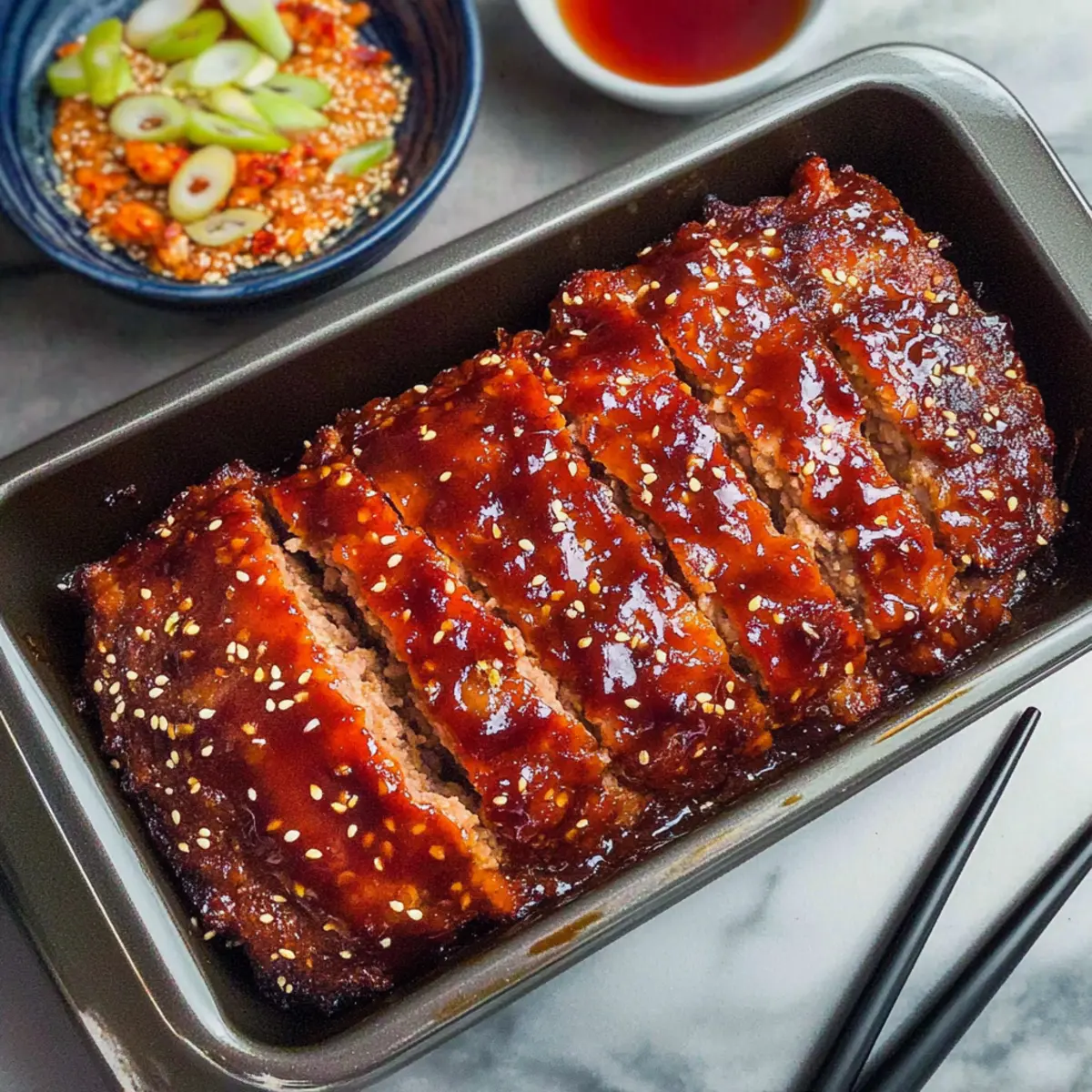
Korean Meatloaf with Gochujang Glaze: A Spicy Comfort Classic
Ingredients
Equipment
Method
- Preheat your oven to 350°F (175°C).
- In a medium skillet, heat vegetable oil over medium heat. Sauté the finely diced onions for about 10 minutes until translucent.
- Stir in the crushed garlic and cook for another 2 minutes until fragrant. Transfer to cool.
- In a bowl, combine the cooling onion mixture with minced green onions, gochujang, beaten eggs, and kosher salt. Mix well.
- In another bowl, combine the ground pork and panko bread crumbs. Fold in the onion mixture gently to not overwork.
- Transfer the meat mixture into a greased loaf pan or shape freeform on a baking sheet.
- Bake for about 40 minutes or until the internal temperature reaches 140°F (60°C).
- While it bakes, mix the glaze ingredients in a bowl until combined.
- Once the meatloaf reaches 140°F, coat it evenly with the glaze and return to the oven for another 10-15 minutes until it reaches 160°F (71°C).
- Let the meatloaf rest for 10 minutes before slicing. Serve garnished with sesame seeds.
Leave a Reply